Mayfair boutique clean checklist near Bond Street
Posted on 06/05/2026
Mayfair Boutique Clean Checklist Near Bond Street: A Practical Guide for Shops That Need to Look Impeccable
Running a boutique near Bond Street is a particular kind of challenge. The foot traffic is steady, the expectations are high, and tiny details get noticed faster than you can say "just open the door." A polished window, dust-free shelving, a fresh scent in the fitting room, and spotless high-touch points all matter. That is exactly why a Mayfair boutique clean checklist near Bond Street is so useful: it gives you a reliable, repeatable way to keep the shop looking premium without missing the little things that make a luxury space feel right.
Whether you manage a fashion boutique, a jewellery showroom, a lifestyle store, or a small luxury concept space, cleaning in this part of London is not just about hygiene. It is about presentation, trust, and brand image. In an area where clients may browse quickly and decide even faster, the environment has to do some of the selling for you. A velvet sofa with a faint mark, fingerprints on glass, or a bit of grit near the entrance can quietly undermine the whole experience.
This guide breaks down what should be checked, why it matters, and how to organise a boutique clean in a way that is practical, discreet, and realistic for the Mayfair/Bond Street setting. You will also find a step-by-step checklist, a comparison table, common mistakes to avoid, and a few local context notes that help the process feel less abstract and more usable on a busy day.
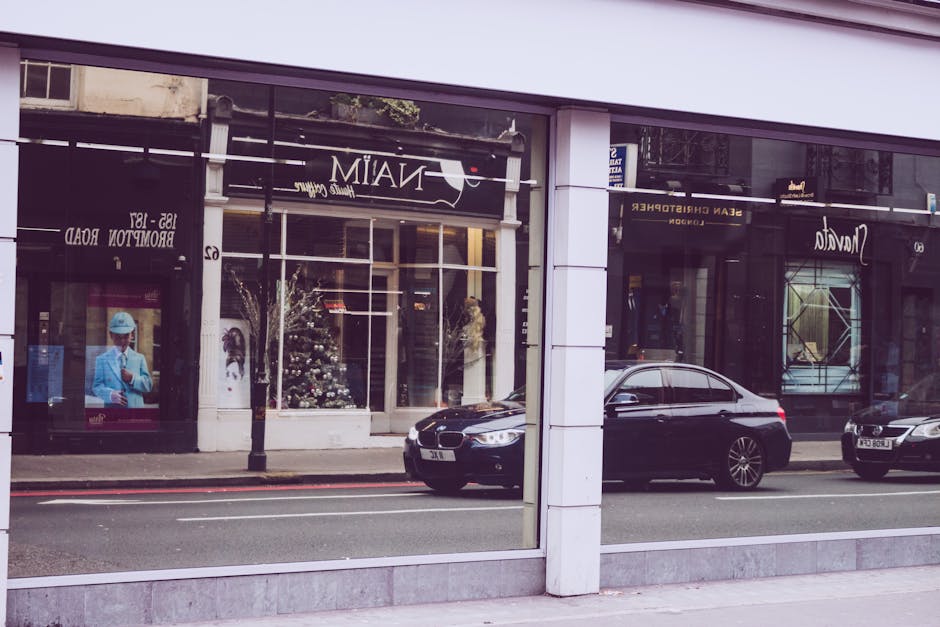
Why Mayfair Boutique Clean Checklist Near Bond Street Matters
A boutique in Mayfair is not the same as a shop on a quieter high street. The location carries its own standard. People walking in from Bond Street, Grosvenor Street, or nearby side roads tend to expect a certain finish, and they notice whether a space feels carefully maintained. The cleaning checklist exists to protect that impression every day, not only when you have a big client visit or a launch event.
There is also a practical side. A well-run boutique clean helps protect fixtures, textiles, display items, and flooring from avoidable wear. Dust on mirrors, grime around handles, and residue on hard surfaces can build up faster than many teams expect, especially in a busy retail setting where doors open and close all day. You do not need drama, just a steady routine. To be fair, most problems in boutiques are not huge disasters; they are small things left for too long.
Another reason it matters is staff confidence. People work better in a clean space. It sounds obvious, but it is true. A tidy stockroom, organised fitting room, and fresh front-of-house area reduce friction during busy periods. That matters when you have one member of staff juggling customers, deliveries, and restocking all at once. A good checklist keeps the team aligned and stops cleaning becoming a vague "someone should deal with that" task.
If you are building a broader service routine for a boutique, it can also help to look at the full range of cleaning services available in Mayfair, especially if your shop has mixed surfaces, delicate materials, or after-hours cleaning needs.
How Mayfair Boutique Clean Checklist Near Bond Street Works
The checklist works best when it is split into zones and frequencies. That means you do not treat every task as if it needs to happen every hour. Instead, you separate daily presentation tasks, weekly detailing, and periodic deep cleaning. This makes the process more manageable and far less wasteful.
Think in terms of customer journey. A visitor enters, looks around, touches a rail or product display, sits for a fitting, checks a mirror, and perhaps speaks to a sales assistant near the counter. Each of those moments creates a cleaning touchpoint. If one of those areas is neglected, the whole experience can feel less premium, even if the rest of the shop is immaculate. It is a bit unforgiving, but that is retail.
In practice, the checklist should cover visible areas first, then contact areas, then the back-of-house spaces that support the operation. If your boutique uses soft furnishings, fabric seating, upholstered ottomans, or carpets, those elements deserve special attention too. For more fabric-specific care, many shop owners also refer to upholstery cleaning support in Mayfair and professional carpet cleaning options when the surface needs more than a quick vacuum.
The key is consistency. A checklist only works if it is actually used. Sounds simple. It often isn't. The best versions are short enough to complete properly and detailed enough to prevent missed spots.
Key Benefits and Practical Advantages
A strong boutique cleaning checklist does more than keep things tidy. It supports the brand, protects stock, and makes day-to-day operations smoother. Here are the main advantages, in plain English.
- Better first impressions: clean glass, polished fittings, and dust-free displays make the shop feel considered and expensive in the right way.
- More consistent standards: instead of relying on memory, your team follows the same process each time.
- Lower maintenance costs: regular cleaning helps prevent stains, buildup, and surface damage from becoming bigger problems.
- Improved stock presentation: clothing, accessories, packaging, and display units look better in a clean environment.
- Faster opening and closing routines: when tasks are clearly assigned, staff waste less time deciding what to do next.
- Better customer comfort: fitting rooms, seating areas, and counters feel more inviting, which can help people stay longer.
There is also a less obvious benefit: cleaner stores tend to be easier to manage during peak periods. Near Bond Street, that can mean busy afternoons, weekend surges, and the occasional last-minute appointment. A structured checklist means you are not scrambling when the shop suddenly fills up.
Expert summary: The best boutique cleaning systems are not the most complicated ones. They are the ones your team can follow on a normal weekday, even when the shop is busy, the delivery arrives late, and someone has just asked for a different size in three colours.
Who This Is For and When It Makes Sense
This type of checklist is useful for a wide range of retail businesses, not just luxury fashion stores. If your space depends on presentation, texture, and customer confidence, you will probably benefit from having one.
- Independent boutiques with a small front-of-house team
- Luxury fashion, jewellery, or accessories shops
- Showrooms with appointment-based visitors
- Pop-up retail spaces near Bond Street or in surrounding Mayfair streets
- Stores with delicate materials like glass, brass, marble, suede, velvet, or polished timber
- Boutiques preparing for a product launch, private event, or seasonal window refresh
It also makes sense if you are taking over a new unit and want to establish a standard from day one. That first month is usually where habits get set. If cleaning is loose during that time, it can become hard to correct later. If it is structured early, the whole team tends to follow suit without much fuss.
For businesses looking beyond the shop floor, this mindset often overlaps with broader commercial upkeep. Some owners who manage mixed premises in the area also review office cleaning in Mayfair and house cleaning services because the same standards of discretion, reliability, and finish apply across settings.
Step-by-Step Guidance
Here is a practical way to build and use a boutique clean checklist without making it over-engineered. Keep it simple enough that your team can actually use it.
1. Map the customer-facing zones
Start with the areas shoppers can see and touch: entrance, windows, display tables, mirrors, shelving, fitting rooms, payment counter, seating, and product rails. These are your highest-priority zones because they shape perception immediately.
2. Separate daily, weekly, and deep-clean tasks
Daily tasks should cover dusting, wiping, floor care, bins, mirrors, and touchpoints. Weekly tasks may include skirting boards, detailed fixture cleaning, behind-display areas, and stockroom tidying. Deep cleaning should cover areas that are easy to forget: vents, high shelving, upholstery, and more stubborn marks.
3. Assign tasks by role or time slot
In a small boutique, the opening team may handle display touch-ups, while closing staff deal with floors, bins, and fitting rooms. In a larger store, one person may be responsible for front-of-house and another for stockroom and back-of-house. Clear ownership matters. Otherwise things drift.
4. Use the right cleaning methods for each material
Glass, brass, leather, textiles, and hardwood all need different handling. A one-product-fits-all approach is risky. For example, a spray that is fine for a counter may be wrong for a display plinth or upholstered chair. That is where a proper method sheet helps.
5. Check the shop before opening and after closing
The morning walk-through should focus on what a customer sees first. The evening check should focus on reset and readiness for the next day. Both matter. A shop can look fine at 9am and tired by 4pm if nobody has watched the small stuff in between.
6. Review and update the checklist regularly
A boutique changes with new stock, new seasons, events, and floorplan tweaks. A checklist from six months ago may miss a new display area or fitting room mirror. Update it when the store changes, not after a problem shows up.
Expert Tips for Better Results
If you want the checklist to feel truly effective, a few practical habits make a big difference.
- Use microfiber cloths properly: They are often better than paper towels for glass, counters, and most polished surfaces because they lift dust rather than push it around.
- Keep a small top-up kit on site: A discreet caddy with cloths, gloves, approved sprays, and bin liners saves a surprising amount of time.
- Protect fragrance levels: A boutique should smell fresh, not overpowering. In a compact space, too much fragrance can feel artificial fast.
- Clean from top to bottom: Dust high shelves before floors, or you will be doing the job twice. Classic mistake. Happens everywhere.
- Spot-check mirrors and glass at different times of day: What looks clean in the morning light may reveal streaks later under brighter indoor lighting.
- Build in "interruptions time": Real shops are interrupted all the time. A good checklist leaves a little breathing room for that.
One small but useful detail: keep a note of what surfaces are most prone to fingerprints, scuffs, or dust buildup. In many boutiques, it is the door handles, counter edges, mirror frames, and the lower part of glass doors. Once you know the trouble spots, cleaning becomes easier and quicker. A bit of pattern recognition goes a long way.
Common Mistakes to Avoid
Even very polished-looking boutiques can get tripped up by a few avoidable mistakes. These are the ones that come up again and again.
- Only cleaning what customers can immediately see: Back-of-house areas matter because clutter and dirt eventually make their way forward.
- Using the wrong products on delicate materials: Some surfaces need mild, specialist care, not a stronger spray and a hopeful attitude.
- Ignoring fitting rooms: These areas are often the true test of standards. If the fitting room feels off, the entire experience can wobble.
- Leaving cleaning to the end of a shift only: Small touch-ups through the day help more than one big catch-up at closing.
- Forgetting to log recurring issues: If the same scuff or stain keeps appearing, there may be a layout or workflow problem behind it.
- Not training temporary staff properly: Seasonal hires often need a quick, clear briefing. Don't assume they already know the house style.
Another common issue is over-cleaning in the wrong places and under-cleaning in the right ones. It sounds odd, but it happens. A spotless shelf in the stockroom does not help much if the entrance glass is smudged and the seating area looks tired.
Tools, Resources and Recommendations
You do not need a huge kit to maintain a premium boutique. You do, however, need the right tools and a sensible setup. Think quality over quantity.
| Tool or Resource | Best Use | Why It Helps |
|---|---|---|
| Microfiber cloths | Glass, mirrors, counters | Lift dust and reduce streaking |
| Soft brush attachments | Edges, vents, delicate trims | Reduce damage on sensitive finishes |
| Approved surface sprays | General wipe-downs | Helps match the right product to the right material |
| Vacuum with suitable heads | Floors, rugs, upholstery | Handles mixed surfaces without rough treatment |
| Cleaning log or checklist sheet | Daily and weekly routines | Improves accountability and consistency |
| Professional specialist support | Carpets, upholstery, deep cleans | Useful for stubborn marks or periodic maintenance |
If your boutique has mixed responsibilities in the same building, such as storage rooms or an upstairs workspace, it may be worth reviewing domestic-style cleaning support in Mayfair for lower-traffic areas and end-of-tenancy cleaning options if you are changing premises or handing a space back. Different needs, different job.
For a stronger service relationship, you may also want to read more about the company background and approach and how quotes and pricing work before committing to a recurring schedule.
Law, Compliance, Standards, or Best Practice
For a boutique, cleaning is not usually about complicated regulation, but there are still important expectations around health, safety, and responsible working practices. In the UK, businesses are generally expected to manage risks sensibly, choose suitable products, and make sure staff are not exposed to avoidable hazards. That means clear procedures, safe storage of chemicals, and basic training matter.
It is also wise to think about slips, trips, and access routes. In a busy retail environment, a wet floor or a cluttered back corridor can create real problems. Good housekeeping is one of the simplest ways to reduce this risk. Nothing glamorous about it, but there we are.
For teams that want a clearer picture of how safety and responsibility are handled, it can help to review the health and safety policy, insurance and safety information, and the terms and conditions. If you are concerned about data handling while dealing with customer booking details, the privacy policy is also worth a look.
For some boutiques, accessibility also matters in how the clean is carried out. Routes should stay clear, entry points should not be blocked, and any temporary cleaning equipment should not create barriers. If you want a broader sense of the organisation's approach to accessible information and service, the accessibility statement is useful reading. Ethical sourcing and supplier standards can matter too, which is where the modern slavery statement may be relevant for businesses wanting to understand wider compliance values.
Options, Methods, or Comparison Table
Not every boutique needs the same cleaning model. Some stores are better served by an in-house routine plus periodic professional support. Others need a fully managed service, especially where presentation must be flawless day after day.
| Method | Best For | Pros | Trade-Offs |
|---|---|---|---|
| In-house daily checklist | Small boutiques with trained staff | Flexible, immediate, low overhead | Depends on consistency and staff time |
| Hybrid routine with occasional professional help | Most Mayfair boutiques | Balanced, reliable, scalable | Requires coordination and clear scope |
| Scheduled specialist cleaning | Luxury stores with delicate materials | Better for carpets, upholstery, detailed finishes | Less immediate control over day-to-day touch-ups |
| Fully managed service | Busy retail spaces with strict presentation standards | High consistency, less internal admin | Usually needs tighter scheduling and budget planning |
The right choice depends on how busy the shop is, what materials are in use, and how often the public interacts with the space. A small jewellery boutique with glass cases may need different support from a fashion showroom with upholstered seating and changing rooms. Quite different, really.
Case Study or Real-World Example
Consider a small boutique just off Bond Street that sells a mix of occasionwear and accessories. The shop has two display windows, a compact fitting room, marble-style counters, and a few fabric chairs for customers waiting on styling advice. It looks elegant on day one, but after a busy week, the team starts noticing a few issues: fingerprints on the glass doors, lint near the fitting room, dust on the shelf edges, and a tired look around the seating area.
Rather than reacting with occasional deep cleans only, the owner introduces a simple checklist. Opening staff wipe the entrance glass, check mirrors, and refresh the display tables. Midday, the team does quick touchpoint checks on handles, counters, and changing rooms. Closing staff reset the fitting room, empty bins, vacuum the floor, and log any scuffs or maintenance concerns.
Within a few weeks, the space feels calmer and more deliberate. Staff spend less time debating who should do what, and the front-of-house area holds up better during peak hours. No magic. Just structure. And, truth be told, the shop looks more expensive simply because it looks cared for.
That is the real value of a thoughtful cleaning checklist: it turns standards into habits.
Practical Checklist
Use this as a starting point and adapt it to your boutique layout. Some stores will need more detail, some less. The best checklist is the one that fits your actual floorplan.
Daily boutique cleaning checklist
- Wipe and polish entrance glass and main doors
- Check mirrors for streaks, marks, and fingerprints
- Dust display tables, shelves, and product plinths
- Clean payment counter and card reader touchpoints
- Reset fitting rooms, including seating and hooks
- Vacuum or sweep customer-facing floors
- Empty visible bins and replace liners
- Remove packaging waste and stray labels from the floor
- Check seating areas for crumbs, lint, or marks
- Review scent, lighting, and overall presentation before opening
Weekly boutique cleaning checklist
- Clean skirting boards and hard-to-reach edges
- Dust higher shelving and decorative fixtures
- Detail clean around rail bases, chair legs, and display supports
- Vacuum under furniture and behind accessible units
- Refresh stockroom shelving and organise stored packaging
- Inspect upholstery for marks or flattening
- Check door handles, hinges, and frequently touched surfaces
- Spot-clean wall marks near high-traffic areas
Periodic deep-clean checklist
- Professional carpet or rug cleaning where required
- Upholstery care for chairs, stools, and waiting areas
- Detailed cleaning of vents, trims, and high ledges
- Deep clean of fitting rooms and less visible corners
- Inspection of problem areas that recur over time
- Review of cleaning products, methods, and frequency
Quick takeaway: If the shop feels clean at the entrance but tired in the fitting room, the checklist is not finished yet.
Conclusion
A good boutique clean checklist near Bond Street is not about making the shop sterile or over-managed. It is about creating a space that feels elegant, calm, and properly looked after from the moment someone steps inside. In Mayfair, those details carry real weight. Customers may not comment on every polished surface, but they notice the atmosphere. They always do.
When your cleaning routine is structured, your team works with more confidence, your displays look sharper, and your store feels more in control. That is the sort of thing that supports sales quietly in the background, day after day. Not flashy. Just effective.
If you are refining your boutique routine, start with the checklist, tighten the weak spots, and build from there. A few careful habits can make the whole shop feel brighter, fresher, and more inviting. And in a place like Mayfair, that really does matter.
Get a free quote today and see how much you can save.