Hidden charges explained: Mayfair cleaning pricing
Posted on 10/06/2026
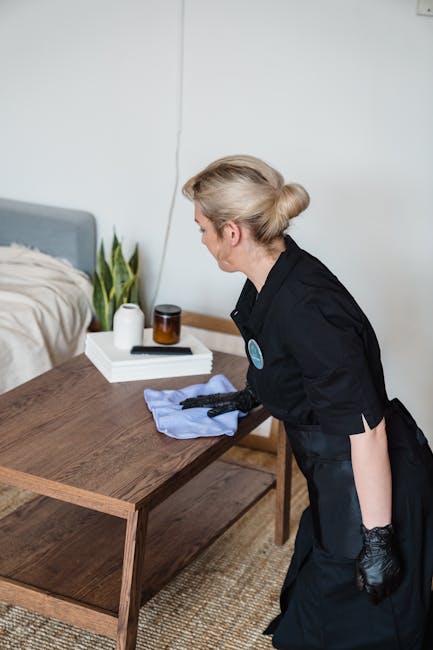
If you have ever looked at a cleaning quote and thought, that seems fine-only to see the final bill creep up later, you are not alone. Hidden charges explained: Mayfair cleaning pricing is really about one thing: understanding what is included, what is excluded, and what can be added after the first price is shown. In a premium area like Mayfair, where homes, offices, and serviced spaces can vary a lot, the details matter. A lot.
This guide breaks down the most common extra charges, how pricing usually works, what to ask before you book, and how to avoid those awkward surprises that nobody has time for. Let's keep it practical, clear, and a bit more human than a typical price page.
Why hidden charges matter in Mayfair cleaning pricing
In Mayfair, cleaning work is often carried out in homes and commercial spaces that are more complex than a standard flat or office elsewhere in London. Think larger rooms, delicate finishes, mixed-use buildings, tighter access, concierge rules, and higher expectations. That does not automatically mean the job should be expensive, but it does mean pricing needs to be explained properly.
Hidden charges become a problem when a quote looks competitive at first glance, then changes because of access issues, add-ons, parking, heavier-than-expected dirt, or a service definition that was never really clear. That is where people feel caught out. And to be fair, it is usually not one huge mysterious fee; it is a handful of small assumptions that stack up.
For anyone booking domestic cleaning, house cleaning, office cleaning, carpet cleaning, upholstery cleaning, or an end of tenancy clean, a clear pricing breakdown saves time, awkward calls, and budget stress. It also helps you compare providers properly, which is harder than it sounds when every company phrases things a little differently.
If you are already comparing options, it can help to review the wider service offer first through the services overview and then check how the business explains quotes on the pricing and quotes page. That alone can answer a lot of the practical questions before you even request a visit.
How hidden charges in Mayfair cleaning pricing work
Most cleaning companies price in one of three ways: fixed package pricing, hourly pricing, or bespoke quotes after assessment. Each method can be fair. Each can also be misunderstood if the scope is vague.
The tricky bit is not the headline rate. It is the definition of the job. A quote may assume a normal level of clutter, standard access, and a specific time window. If reality differs, additional labour or materials may be charged. That is normal in principle, but it should never feel like a surprise ambush.
Here are the most common areas where extra cost can appear:
- Property size and layout: Larger square footage, multiple levels, or awkward layouts take longer.
- Condition of the property: Heavy dust, grease, limescale, pet hair, or long-neglected areas may require more time.
- Specialist equipment: Some jobs need steam machines, extraction equipment, stain treatments, or specific materials.
- Access and logistics: Restricted parking, no lift, concierge delays, or limited entry times can all add effort.
- Extra rooms or fixtures: Ovens, fridges, inside cupboards, blinds, mattresses, or upholstered furniture may be priced separately.
- Urgency: Same-day or next-day slots can carry a premium, especially at busy times.
There is a simple principle here: if something changes the time, effort, risk, or materials needed, it may affect the price. The important part is whether that is explained before the work begins. Hidden charges are really just unexplained charges.
For deeper cleans, readers often ask about area-specific jobs such as a Mayfair flat deep clean on Brook Street or a quick clean for a W1J apartment near Grosvenor Square. Those examples matter because the scope can vary a lot from one property to the next, even within a few streets.
Key benefits and practical advantages
Transparent pricing is not just about avoiding annoyance. It is genuinely useful in day-to-day planning.
First, it helps you budget properly. If you know the likely extras, you can decide whether to add them now or later. That is especially helpful for landlords, homeowners preparing for guests, and office managers working to a fixed budget.
Second, it makes comparison easier. A cheap quote is not necessarily the best value if it excludes half the work. A higher quote can be sensible if it includes supplies, insured staff, and a realistic allowance for the property type.
Third, it reduces friction on the day. The cleaner arrives, knows the scope, and gets on with the job. No last-minute debate over whether the inside of the oven was included. Honestly, nobody wants that conversation at 8:15 on a Tuesday morning.
Fourth, it supports trust. In premium neighbourhoods like Mayfair, people expect clear communication. A well-explained price tends to feel more professional than a vague one. Simple as that.
One extra benefit that is easy to overlook: transparent pricing often leads to better cleaning outcomes because the team can allocate the right amount of time. Rushed jobs tend to miss details. And small details are exactly what people notice.
Who this is for and when it makes sense
This topic matters for more people than you might think. If you are booking cleaning in Mayfair, you are probably in one of these situations:
- Homeowners who want regular domestic cleaning without surprise extras.
- Tenants arranging an end of tenancy clean before inventory inspection.
- Landlords and letting agents who need consistent standards and predictable invoicing.
- Office managers looking after shared spaces, meeting rooms, and reception areas.
- Property sellers who need presentation-ready rooms before viewings or photography.
- Busy households that need a one-off deep clean after a renovation, event, or long trip away.
If you are pricing a service for the first time, hidden-charge awareness is most useful before the booking is confirmed. Once the team has already turned up and started working, there is less room to adjust expectations without friction. So the best time to ask the awkward questions? Right at the start. Not rude. Just sensible.
For anyone managing a property or looking after a flat in a building with more formal access rules, it can also help to browse related local content such as the cleaning guide for Berkeley Square homes or the boutique clean checklist near Bond Street. Those pages are useful because the property type shapes the work, and the work shapes the price. Obvious, really, but easy to forget in practice.
Step-by-step guidance
Here is the cleanest way to protect yourself from hidden charges without turning the process into a research project.
- Define the job properly. Write down the rooms, surfaces, and tasks you expect to be included.
- Ask what is included in the base price. Do not assume ovens, inside cupboards, appliances, or windows are part of the standard service.
- Ask what triggers additional charges. Request a plain list of common extras such as parking, congestion, heavy staining, or extra time.
- Share accurate property details. Floor number, access restrictions, pet hair, and condition all matter.
- Request a written quote. Even a simple written summary is better than a phone estimate you cannot remember later.
- Check the cancellation or rescheduling terms. A fair price can still become frustrating if the booking terms are rigid.
- Confirm payment timing. Know whether payment is due before, during, or after the clean.
- Review the final scope before work starts. If anything has changed, agree it upfront.
A practical tip: if a company is happy to explain pricing in plain English, that is usually a good sign. If the explanation feels slippery, you probably need a more precise breakdown. It does not have to be complicated. It just has to be clear.
If you are booking specialist work such as carpet cleaning in Mayfair or upholstery cleaning, ask about fabric type, stain treatment, drying time, and whether pre-testing is needed. Those jobs are where a quote can drift if the assumptions are not tight enough.
Expert tips for better results
After years of seeing how cleaning jobs go wrong, a few patterns stand out. Most price disputes are avoidable.
Tip 1: Treat "from" prices carefully. A low entry price is not bad in itself, but it needs context. Is it for studio flats only? Is it based on light maintenance cleaning? What happens if the property needs more than expected?
Tip 2: Separate cleaning from restoration. Cleaning removes dirt and grime. Restoration deals with damage, staining, or wear that may not lift with normal methods. If you expect a restoration outcome but ask for a standard clean, the pricing will look off from the start.
Tip 3: Ask what supplies are included. Some providers include materials in the quote; others itemise them. Both approaches can work, but you should know which model you are dealing with.
Tip 4: Be honest about the condition. If the space has not been cleaned in months, say so. It is much better to have a realistic quote than a cheap estimate that turns into a difficult conversation later.
Tip 5: Check building logistics. In Mayfair, access can be a real factor. Deliveries, concierge arrangements, parking, lift use, and working hours sometimes affect the schedule more than the cleaning itself. Bit annoying, yes, but very real.
Tip 6: Keep a record of what was agreed. A quick email, message, or booking note can save everyone from memory-based misunderstandings. Human memory is not always the hero we want it to be.

Common mistakes to avoid
People usually get tripped up in the same places.
- Assuming the quote is all-inclusive. It rarely is unless stated clearly.
- Forgetting to mention property specifics. A fifth-floor walk-up is not the same as a ground-floor flat. Not even close.
- Skipping the scope review. A five-minute check can prevent a bigger problem later.
- Comparing prices without comparing inclusions. Apples and pears. Happens all the time.
- Not asking about sensitive surfaces. Marble, hardwood, antique fittings, and certain upholstery need care and can affect the method and the price.
- Booking urgently without confirming terms. Rush work can be perfectly fine, but you should know the premium before confirming.
Another common mistake is over-focusing on the headline figure and under-valuing reliability. A quote that looks slightly higher may actually be more honest, more complete, and better suited to your property. Truth be told, that is often the better deal.
Tools, resources and recommendations
You do not need specialist software to manage cleaning pricing, but a few simple tools help:
- A room-by-room checklist so you can explain exactly what needs cleaning.
- Photos or short videos of the property condition, especially for deep cleans or end of tenancy work.
- A note of access details such as entry codes, concierge hours, and lift restrictions.
- A written quote summary that lists what is included and what would be extra.
- A comparison sheet if you are weighing up more than one provider.
For a clearer sense of the service range, the services overview is a useful starting point. If your concern is payment behaviour rather than pricing itself, the page on payment and security can also help you understand how charges are handled.
And if you are interested in the company background before booking, the about us page gives a better sense of who is behind the service. That matters more than people admit, especially when you are letting someone into a private home.
Law, compliance, standards and best practice
While cleaning pricing itself is mostly a commercial matter, there are still important standards and legal expectations behind the scenes. In the UK, service businesses are expected to present prices and terms honestly, avoid misleading claims, and provide work in line with agreed conditions. That sounds obvious, but it is the foundation of fair trading.
Best practice also includes clear communication about:
- what the quote covers
- what may trigger an extra fee
- any cancellation or rescheduling terms
- safe working practices in the property
- how complaints or issues are handled
For customers, that means looking for clarity rather than just a low number. For providers, it means setting expectations early and keeping records of what was agreed. There is no glamour in this part of the process, but it is the bit that keeps everything fair.
If a company has published policies for terms and conditions, complaints procedure, insurance and safety, and health and safety, that is usually reassuring. It shows the business is thinking beyond the invoice. And frankly, that is what you want.
For online booking and data handling, it is also sensible to review privacy policy, cookie policy, and accessibility statement. Those pages are not glamorous, granted, but they are part of a well-run website and a more trustworthy booking experience.
On the operational side, businesses working with cleaners and contractors should also maintain responsible labour and safeguarding practices. That is why statements like the modern slavery statement matter in a broader ethical sense. It is one more sign that the company takes its obligations seriously.
Options, methods and pricing comparison
Different pricing structures suit different jobs. Here is a simple comparison to help you think it through.
| Pricing method | How it works | Best for | Risk of hidden charges |
|---|---|---|---|
| Fixed package price | A set rate for a defined scope | Standard domestic cleans, routine office maintenance | Low if the scope is written clearly |
| Hourly pricing | You pay for time spent on the job | Flexible cleans, variable condition properties | Medium if expectations are not managed |
| Bespoke quote | Priced after property details or a visit | Deep cleans, end of tenancy work, larger properties | Low to medium depending on how well the scope is documented |
| Add-on model | Base price plus optional extras | Situations where clients want control over priorities | Medium if add-ons are not explained in advance |
In practice, the best pricing model is the one that matches the job honestly. A small regular clean does not need the same quote structure as a one-off deep clean after a tenancy ends. Different jobs, different maths. That is fair enough.
Case study or real-world example
Here is a realistic example. A client books a standard end of tenancy clean for a Mayfair apartment. The initial quote assumes average condition, clear access, and normal fixtures. On arrival, the cleaner finds an oven that has not been touched for months, a fridge that needs full internal cleaning, and extra time lost waiting for building access because the concierge changeover was not mentioned in advance.
None of those issues are unusual. But each one affects the work. If the business had stated clearly that appliance interiors, heavy grease removal, or waiting time could be chargeable extras, the final cost would have felt much less surprising.
Now compare that with a better-prepared booking. The client sends photos, confirms floor access, lists the oven and fridge as required tasks, and asks for a written quote that includes likely extras. The price may be a little higher at the outset. Yet the final bill is cleaner, the job runs smoother, and nobody has to argue over what "standard clean" actually meant. That is the win.
This is also why local context matters. A property near Bond Street, Grosvenor Square, or Berkeley Square may have different access realities, parking limitations, and building rules. A good cleaner prices those realities in, not after the fact.
Practical checklist
Use this before confirming any Mayfair cleaning booking.
- Have I confirmed the exact service type?
- Do I know what is included in the base price?
- Have I asked about common extras such as appliances, stains, and access issues?
- Have I shared accurate property details and photos if needed?
- Is the quote written down clearly?
- Do I understand payment timing and cancellation terms?
- Have I checked whether supplies and equipment are included?
- Do I know who to contact if the scope changes on the day?
- Have I reviewed the provider's policies and trust signals?
- Does the final price still make sense when compared like-for-like?
If the answer to any of those is no, pause and ask. Seriously. A short conversation now can save a lot of back-and-forth later.
Get a free quote today and see how much you can save.
Conclusion
Hidden charges in Mayfair cleaning pricing are usually not about one dramatic surprise. They are about vague scopes, unmentioned access issues, and assumptions that never got checked. Once you know where the gaps tend to appear, the whole process becomes much easier to manage.
The best approach is simple: ask precise questions, share honest details, get the scope in writing, and compare providers on what is actually included. Do that, and you are far less likely to overpay or feel frustrated later. In a neighbourhood where standards are high and time matters, clarity is worth more than a flashy low quote.
And if you are still weighing up options, take a calm minute, read the details properly, and choose the service that feels clear and steady. That tends to be the one people are happiest with in the end.