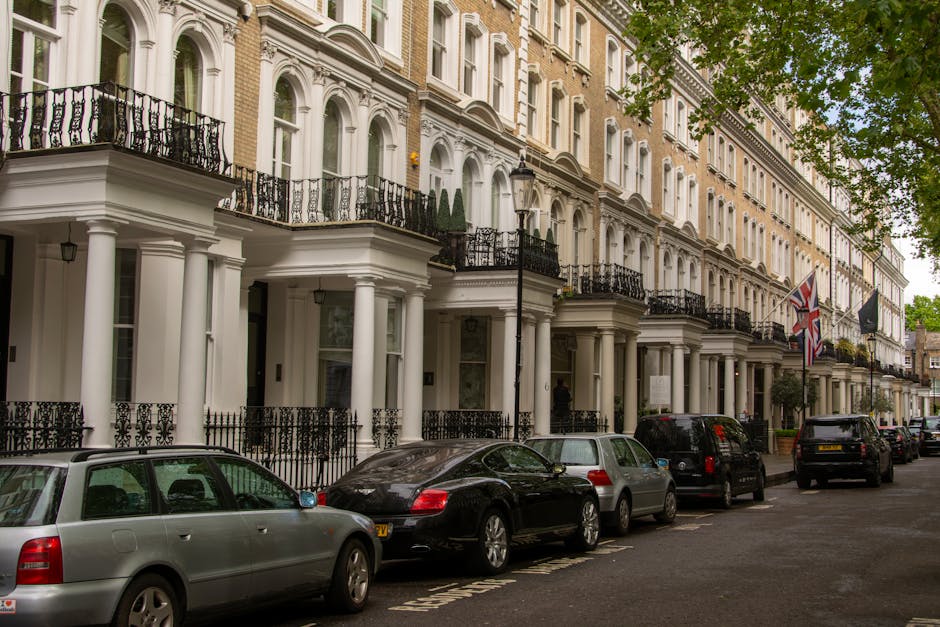
Compare Mayfair cleaning quotes: flat vs townhouse costs

If you are trying to compare Mayfair cleaning quotes: flat vs townhouse costs, you are already asking the right question. In Mayfair, the same cleaning brief can look very different depending on whether you live in a compact apartment, a split-level flat, or a larger townhouse with stairs, period features, and a bit of extra dust hiding where you least expect it. That difference matters. A lot.
Cleaning prices are rarely just about square footage. Access, layout, parking, number of rooms, ceiling height, and whether the job is a one-off deep clean or a regular tidy-up can all shift the quote. This guide breaks down what affects pricing, how to compare like-for-like, and where flat and townhouse costs diverge in real life. You will also get a practical checklist, a comparison table, and a few grounded tips that make quote comparison far less confusing. To be fair, it's not glamorous. But it can save you money.
Why comparing flat vs townhouse cleaning quotes matters
Mayfair is one of those places where two homes on the same street can demand completely different cleaning effort. A modern flat with lift access and straightforward parking is usually quicker to service than a townhouse with multiple floors, staircases, narrow hallways, and delicate finishes. That does not automatically mean the townhouse is "more expensive" in every case, but it often is. And if you do not compare the quotes properly, it is easy to misread the difference.
The main reason this matters is simple: many quotes look similar at first glance, yet they may include different assumptions. One company may price a flat based on the number of bedrooms. Another may use hourly labour. A townhouse quote may add time for stair cleaning, extra bathrooms, or higher windows. If you compare only the headline number, you could end up paying more for less, or rejecting a fair quote because it looks high on paper.
There is also a trust angle. A clear quote tells you the provider understands the property type and is not guessing. In a neighbourhood like Mayfair, where properties can be elegant, old, and awkward in the nicest possible way, that attention to detail matters. You want a quote that reflects the actual job, not a generic template pushed out in five seconds.
One more thing. Flat and townhouse cleaning jobs often differ in the hidden bits: access time, carrying equipment, protection for hall carpets, and the extra care needed around polished wood, marble, or heritage features. Those details can change the cost more than people expect.
How comparing Mayfair cleaning quotes: flat vs townhouse costs works in practice
Most cleaning quotes are built from a few core variables. The cleaner looks at property size, room count, condition, access, task complexity, and frequency. From there, they estimate the time, labour, and materials required. Sometimes the quote is fixed. Sometimes it is an estimate with notes. Either way, the shape of the property matters.
For a flat, the quote usually reflects a more contained footprint. Fewer staircases, simpler access, and less time spent moving between floors can keep the job efficient. A townhouse, by contrast, may require more movement, more safety checks, and more time to complete the same cleaning standard. Even something as mundane as carrying a vacuum up several flights can add time. Funny how these small things stack up, isn't it?
The comparison becomes clearer when you separate what is being cleaned from how hard it is to clean. Two homes might both have two bedrooms, but the townhouse may have a guest WC downstairs, a family bathroom upstairs, a separate utility room, and an extra set of windows. That is not the same job, even if the bedroom count is identical.
If you are asking for quotes, the best approach is to request the same scope from each provider. For example, ask for a deep clean of all standard rooms, kitchens, bathrooms, skirting, internal glass, and floors. If you are unsure which service fits, pages such as deep cleaning, one-off cleaning, and regular cleaning can help you understand the type of service being priced.
Key benefits and practical advantages
Comparing quotes carefully is not just about hunting for the lowest number. It helps you make a better decision, and in Mayfair that usually means a cleaner result with fewer surprises.
- You can compare like for like. This avoids apples-to-oranges pricing, which is a common headache with domestic cleaning quotes.
- You spot hidden extras early. Things like stairs, parking, fragile finishes, or extra bathrooms can change the total.
- You protect your schedule. A realistic quote is less likely to run over or feel rushed halfway through.
- You get a better fit for your property type. Flats often need efficiency; townhouses often need time and planning.
- You can prioritise value, not just price. The cheapest option is not always the one that leaves the place looking and smelling properly fresh.
There is a practical benefit too: better quote comparison often reveals which tasks are actually worth paying for. A flat might need carpet care and kitchen detail, while a townhouse might benefit more from a full stair and landing clean. Choosing the right scope can be more useful than simply asking for "everything."
If you already know your home needs specialist extras, it can help to look at supporting services such as window cleaning, carpet cleaning, or oven cleaning. Those services may be quoted separately, and that is normal.
Who this is for and when it makes sense
This comparison is especially useful if you are:
- moving into a new place and want a fair pre-arrival clean
- moving out and need the property left in a presentable condition
- booking a one-off clean after a busy period or seasonal reset
- managing a short-let or Airbnb-style turnover
- trying to keep a townhouse or flat on a sensible cleaning schedule
- comparing several Mayfair cleaning quotes and need a genuine cost check
It also makes sense if you are just tired of getting vague numbers. Let's face it, nobody enjoys chasing three different suppliers only to find each one has priced a different job. If your home is a flat, you may want to know whether the quote includes shared hallway access or just the internal rooms. If it is a townhouse, you may need to clarify how the stairs, landings, and top-floor rooms are treated.
For landlords, tenants, and owners, the decision can be slightly different. A tenant may care most about move-out readiness. An owner may want a recurring domestic arrangement that keeps the place under control. A host may need speed and reliability between bookings. That is why pages like end of tenancy cleaning, move-in cleaning, move-out cleaning, and Airbnb cleaning can be relevant, depending on the situation.
Step-by-step guidance
Here is the simplest way to compare flat and townhouse cleaning quotes without getting tangled up in jargon.
- Define the property type clearly. Say whether it is a flat, maisonette, duplex, or townhouse. These labels matter because they affect access and layout.
- List the rooms and extras. Bedrooms, bathrooms, reception rooms, kitchens, utility rooms, hallways, staircases, and any balconies or terraces should all be noted.
- Describe the condition honestly. A light refresh and a post-party recovery are not the same thing. Nor are a tidy flat and a townhouse with built-up dust in corners.
- Flag access issues. Mention parking, lifts, entry codes, narrow stairs, or time restrictions. This is often where costs shift.
- Ask whether the quote is fixed or estimated. A fixed quote gives you certainty. An estimate may change if the property differs from the description.
- Check what is excluded. Some quotes cover standard cleaning only; others omit appliances, internal windows, or specialist stain removal.
- Compare time, not just price. A cheaper quote may allow less time on site. That can matter more than you think.
- Ask for a scope summary. A short written breakdown helps you compare providers fairly.
There is a very real difference between a quote that says "two-bedroom flat clean" and one that says "two-bedroom flat clean, one bathroom, kitchen degrease, internal glass, floors, skirting, and light fixtures." Same sounding job? Not really.
If you want a cleaner way to understand how pricing is structured, the site's pricing and quotes page is a sensible place to start. It should help you frame what details to provide before you request numbers.
Expert tips for better results
After seeing a fair few cleaning briefs over time, one pattern stands out: the best quotes come from the clearest instructions. Not glamorous, but true.
Tip 1: Mention the stairs even if they seem minor. In a townhouse, staircases are not a small detail. They are one of the biggest time factors. They also collect dust, hairs, and that odd grey fluff that appears from nowhere.
Tip 2: Be specific about finishes. Polished wood, marble, delicate tiles, and older sash windows all need more care than standard surfaces. A quote should reflect that sensitivity.
Tip 3: Separate recurring work from one-off work. A regular clean is usually more efficient than a neglected property needing a full reset. If you are budgeting for ongoing support, house cleaning and domestic cleaning can be more cost-friendly over time than sporadic deep cleans.
Tip 4: Ask how access affects the price. Sometimes the quote is fair, but the provider is pricing extra walking time, key collection, or loading equipment through shared entrances. That is not always obvious at first glance.
Tip 5: Don't ignore add-on services. A townhouse with pets may need stain work. A flat with heavy textiles may need upholstery attention. Related services like sofa cleaning, upholstery cleaning, and pet stain odour removal can make a quote look different for good reason.
And one slightly unromantic truth: good cleaning quotes often reflect boring detail. That is exactly what you want.
Common mistakes to avoid
People usually do not overpay because they are careless. They overpay because they compare the wrong things.
- Comparing only the headline price. A lower number can hide a narrower scope.
- Leaving out staircases or floors. Townhouse quotes often rise because of extra vertical movement and more landing space.
- Forgetting shared access details. In flats, communal entrance rules can affect timing and efficiency.
- Assuming every provider uses the same room count logic. One cleaner may treat a study as an extra room. Another may not.
- Not asking what "deep clean" means. It is a useful phrase, but not a universal one.
- Failing to mention stains or build-up. Heavy grime, limescale, or grease can change the work significantly.
A classic mistake is asking for a "quick quote" with barely any information, then being surprised when the final price shifts. Truth be told, that's how misunderstandings happen. If you give a complete picture up front, the cleaner can quote more accurately and you can compare with confidence.
For properties where extra dirt or post-project residue is part of the story, it may be worth checking after builders cleaning. That is a different job from a standard domestic reset, and it should be priced differently.
Tools, resources and recommendations
You do not need a complicated spreadsheet to compare quotes, but a simple system helps. A notebook, phone notes app, or basic table is often enough.
Useful things to prepare before requesting quotes:
- room count and property type
- approximate square footage, if known
- number of floors or stairs
- current condition notes
- access notes, keys, parking, lift use
- priority tasks, such as kitchen, bathrooms, floors, windows, or carpets
- preferred timing and any time window restrictions
If you are comparing service bundles, it can help to review specialist pages for the likely extras. For instance, steam carpet cleaning may suit deeper fibre work, while hard floor cleaning is more relevant where wood, tile, or stone needs careful attention. A townhouse with mixed flooring may need both.
For external upkeep around the building, the right service may also include gutter cleaning, patio cleaning, or facade cleaning, although these are usually separate from an internal domestic quote. Not always, but often enough.
Law, compliance, standards and best practice
Cleaning quotes are not just about value. They also touch on safety, insurance, and trust. In the UK, good practice means the provider should be clear about what is included, how staff work safely, and how property and people are protected during the job.
You do not need to turn into a compliance expert to ask sensible questions. A straightforward checklist is usually enough:
- Are cleaners insured for the work being carried out?
- Are health and safety procedures in place for access, equipment, and chemical use?
- How are valuables, surfaces, and fragile items handled?
- What happens if something is damaged or a complaint arises?
- Are payment and data handling processes clear and secure?
Pages such as insurance and safety, health and safety policy, payment and security, and terms and conditions are useful trust signals because they help you understand how the service is run. That matters when you are comparing providers for a Mayfair flat or townhouse.
Best practice also includes honest quoting. If a townhouse needs more time because of stairs, or if a flat needs extra care because access is awkward, that should be explained clearly. Good quoting is transparent. Simple as that.
If sustainability matters to you, you may also want to look at recycling and sustainability. In many homes, especially busy family properties, waste handling and product choice are part of the broader service experience.
Options, methods and comparison table
There is no single "correct" way to price a home clean, but there are a few common methods. The right one depends on the property and the level of detail required.
| Pricing method | Best for | Flat impact | Townhouse impact |
|---|---|---|---|
| Fixed quote by room count | Standard domestic cleans with clear boundaries | Often straightforward and predictable | Can underprice stairs, landings, and extra access time if not described well |
| Hourly pricing | Flexible, condition-led jobs | May be efficient if the flat is tidy and accessible | Can rise quickly if multiple floors or detailed areas need more attention |
| Scope-based deep clean | Moves, one-off refreshes, or neglected spaces | Good when the layout is compact but heavily used | Often more suitable because the provider can price for vertical access and extra complexity |
| Add-on pricing | Special tasks like ovens, windows, carpets, or upholstery | Useful if the flat has one or two problem areas only | Helpful where different surfaces and rooms need specialist attention |
In plain English, flats often suit simpler pricing models, while townhouses benefit from quotes that include more detail. A beautifully designed townhouse can take more time to clean than a smaller flat because the layout spreads work across more levels. Conversely, a compact flat with heavy use may cost more than expected if it needs a very thorough reset. So the building type matters, but it is not the only thing.
Case study or real-world example
Picture two Mayfair homes on the same afternoon. The first is a two-bedroom flat with one bathroom, a small kitchen, and lift access. It has light dusting, standard surfaces, and no major stain issues. The second is a three-storey townhouse with a similar total floor area, but with stairs on every level, two bathrooms, a guest cloakroom, a larger hallway, and a few ornate details that need careful wiping rather than brisk polishing.
Now imagine both owners ask for a deep clean. The flat might be quicker because all the rooms sit close together and equipment is easy to move. The townhouse may take longer because the cleaner has to move between levels, protect stair finishes, and spend extra time on landings and circulation spaces. The cost difference may not be dramatic, but it will usually be there.
Here is the bit people often miss: the townhouse might not be "more expensive" because it is larger in every obvious way. It may be more expensive because the work is less efficient. That is the real driver. One cleaner can move through a compact flat in a smooth rhythm; another has to keep climbing stairs, carrying kit, and resetting between floors. That rhythm matters a lot more than most people realise.
Expert summary: If you want an accurate Mayfair quote, compare the scope, access, and complexity first. Compare the price second. That order saves hassle, and usually money too.
Practical checklist
Use this before you request or accept a quote.
- Confirm whether the property is a flat, maisonette, duplex, or townhouse.
- Count rooms, bathrooms, and any extra spaces like studies or utility rooms.
- Note how many floors or staircases are involved.
- Describe the current condition honestly, including grease, limescale, dust build-up, or stains.
- Tell the cleaner about access issues, parking, and entry instructions.
- Ask whether windows, appliances, or carpets are included.
- Check whether the quote is fixed, estimated, or time-based.
- Ask about insurance, safety, and complaint handling.
- Make sure the quote reflects the same scope across all providers.
- Decide whether you need a one-off, deep, or regular service.
If you are still unsure which route fits your home, a quick review of house cleaning, one-off cleaning, and regular cleaning will usually point you in the right direction. Small difference, but helpful.
Conclusion
When you compare Mayfair cleaning quotes: flat vs townhouse costs, the real goal is not simply to find the lowest price. It is to understand what the price reflects. A flat may be cheaper because it is more accessible and efficient to clean. A townhouse may cost more because the layout, stairs, and extra surfaces require more time and care. Sometimes that extra cost is absolutely justified.
The best quote is the one that matches the property honestly, explains the scope clearly, and leaves you feeling confident rather than slightly suspicious. If you keep the comparison grounded in access, room count, condition, and service type, the numbers become far easier to judge. And once you see them in that light, the decision stops feeling messy.
Get a free quote today and see how much you can save.
Sometimes the right answer is just a clearer quote and a calmer morning. That's not a bad outcome at all.
Frequently Asked Questions
Is a townhouse always more expensive to clean than a flat?
Not always, but often. A townhouse usually has more stairs, more circulation space, and more access complexity. A flat can still cost more if it is heavily soiled, hard to access, or needs specialist work.
What details should I give when asking for a quote?
Give the property type, number of rooms, number of bathrooms, floor count, condition, access details, and any extras like ovens, windows, carpets, or upholstery. The more accurate the brief, the better the quote.
Why do two Mayfair cleaning quotes look so different?
They may be pricing different scopes, not just different prices. One provider may include more tasks, more time, or more care around access and delicate finishes. Always check exactly what is included.
Should I choose a fixed quote or hourly rate?
A fixed quote is usually better if the job is clearly defined. Hourly pricing can work for flexible or unpredictable cleans, but it can be harder to compare unless you know the expected time on site.
Do stairs really affect cleaning cost that much?
Yes, they can. Stairs take time to clean properly and they also slow the movement of equipment between rooms. In a townhouse, that extra effort adds up quickly.
What is usually included in a deep clean?
Deep cleaning often covers a more detailed clean of kitchens, bathrooms, floors, surfaces, skirting, and hard-to-reach areas. The exact scope varies, so it is worth checking the provider's breakdown carefully.
How can I compare quotes fairly between a flat and a townhouse?
Use the same checklist for both. Match room count, access, condition, and add-ons. If one quote includes more work or more time, compare on scope rather than just on cost.
Can I get a lower quote by removing some tasks?
Usually yes. If you do not need windows, carpets, or appliance cleaning, leaving them out can reduce the price. Just make sure the tasks you remove are genuinely not needed.
What if my home has unusual features or fragile finishes?
Mention them early. Polished stone, heritage fittings, or awkward access can change how the job is priced. Clear notes help avoid misunderstandings and reduce the risk of damage.
Does regular cleaning usually cost less than one-off cleaning?
Often it does, because regular cleaning is easier to maintain than a neglected property that needs a full reset. The work is usually more efficient, especially in a busy Mayfair home.
Where should I look for trust signals before booking?
Check pages about insurance, safety, terms, payments, and complaints handling. Those details do not make a quote cheaper, but they do make the service easier to trust.
What is the best next step if I want a quote for my property?
Prepare a short property summary, note any access issues, decide whether you need a one-off or regular service, and request a quote that clearly states what is included. That is the cleanest way to compare fairly.