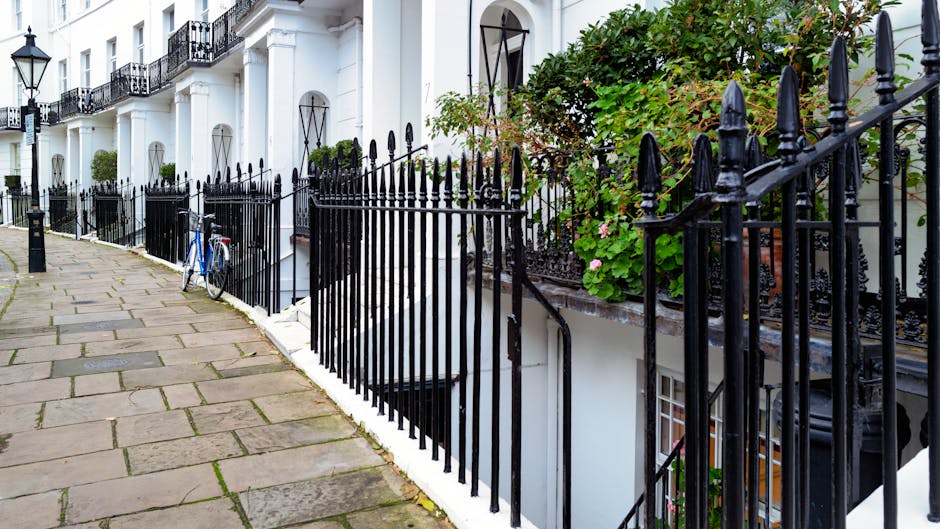
Cleaning guide for Berkeley Square homes in Mayfair
Posted on 07/05/2026
Cleaning Guide for Berkeley Square Homes in Mayfair
Berkeley Square homes have a certain rhythm to them. Tall windows, polished halls, quiet mews entrances, and rooms that seem to gather light differently from the rest of London. That elegance is part of the appeal, but it also changes the way you should clean. A proper cleaning guide for Berkeley Square homes in Mayfair is not just about making things look nice for a day. It is about protecting surfaces, preserving value, and keeping a home calm, fresh, and genuinely easy to live in.
Whether you are a long-term resident, a landlord preparing a property, or someone managing a move, the details matter. Dust builds in places that are easy to miss. Marble marks quickly. Period features need a gentle hand. And let's face it, a beautiful home can become frustratingly unforgiving if the wrong product or routine is used. This guide walks through what actually works in Berkeley Square, how to approach different rooms and surfaces, and when specialist support makes sense.
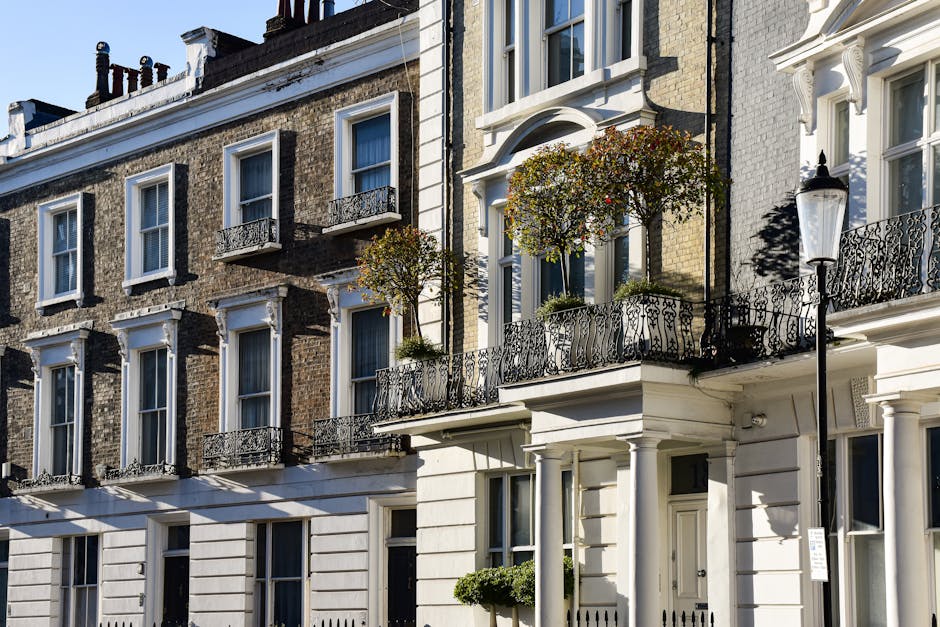
Why this cleaning guide matters in Berkeley Square
Berkeley Square homes sit in a part of Mayfair where presentation, comfort, and asset care all overlap. These properties are often high-value, frequently used, and finished with materials that need more than a quick wipe. In a contemporary apartment, that might mean engineered wood and stone worktops. In a period townhouse, it could mean decorative plasterwork, antique fittings, sash windows, or delicate upholstery that has seen years of family life, entertaining, and the odd clumsy glass of red. Happens to the best of us.
The reason a location-specific guide helps is simple: not all homes are cleaned well by the same routine. Berkeley Square properties can have a blend of old and new, polished and practical, decorative and heavily lived-in. One room may need meticulous dust removal around mouldings; another may need deep carpet care or stain treatment; a kitchen may require degreasing without damaging finishes. The best approach is measured, careful, and repeatable.
There is also the matter of reputation. In Mayfair, a clean home does not only feel pleasant. It signals maintenance, attention, and respect for the property. That matters whether you are hosting guests, preparing for a valuation, or trying to keep a home comfortable during a busy week in central London. If you are exploring the wider area, the guide about Mayfair's streets and character gives useful local context, while this piece on living in Mayfair is helpful for anyone weighing up what daily life here actually feels like.
How the cleaning process works
A strong home-cleaning routine in Berkeley Square usually works in layers. First comes the visible reset: dusting, vacuuming, wiping, polishing, and clearing surfaces. Then comes the quieter work: skirting boards, ventilation grilles, behind furniture, inside cabinets, around taps, and along the edges that collect debris over time. After that, specialist tasks may be added depending on the property, such as carpet extraction, upholstery cleaning, limescale removal, or end-of-tenancy detailing.
In practical terms, the process should start with assessment. Before touching anything, it helps to identify surface types, high-traffic zones, stains, fragile materials, and any access concerns. A marble bathroom, a silk curtain, and a wool carpet all need different treatment. That sounds obvious, but it is exactly where rushed cleaning goes wrong.
If you are comparing service options or trying to understand what a professional visit usually involves, the services overview is a good place to see how domestic, house, carpet, upholstery, and office support fit together. For broader household support, domestic cleaning in Mayfair and house cleaning for local homes are the most relevant service pathways.
The process is not about overworking every corner. It is about cleaning in the right order. Top to bottom. Dry dust before damp wiping. Vacuum before spot treatment. Test before applying anything new. Basic stuff, but it makes a huge difference.
Key benefits and practical advantages
A well-planned cleaning routine in Berkeley Square brings benefits that go beyond a tidy appearance. The most obvious one is surface protection. Regular care helps reduce wear on wood, fabric, stone, and fixtures, which is especially important in premium homes where replacement costs can be painful. A second benefit is air quality. London dust, pollen, and everyday particles gather quietly, especially around sash windows, soft furnishings, and radiators.
There is also a comfort factor that people sometimes underestimate. A clean home feels easier to use. You notice it when you walk in after a wet commute and the hallway smells fresh rather than stale, or when a kitchen counter is genuinely clear instead of just "mostly fine". These are small things, but they change how a home feels day to day.
- Protects finishes: careful cleaning reduces scratches, dulling, and fabric damage.
- Improves presentation: useful for hosting, valuations, photography, and inspections.
- Saves time later: regular upkeep prevents deep build-up that takes longer to remove.
- Supports healthier indoor air: especially helpful in homes with carpets, pets, or heavy footfall.
- Helps preserve rental appeal: important for landlords and tenants alike.
For homeowners who care about property value, this is not cosmetic fluff. It is maintenance. If your home has investment significance too, the local property perspective in this Mayfair real estate guide is a useful read.
Who this is for and when it makes sense
This guide is for anyone responsible for a Berkeley Square property, but different readers will need different levels of detail. A resident with a full-time household may want a repeatable routine that keeps things under control between visits. A landlord or letting agent may need a stronger reset before viewings or a tenancy changeover. An office manager with a townhouse workspace may need cleaning that respects both presentation and privacy. And someone moving out may need a far more intensive clean, especially if there are deposit expectations to satisfy.
It makes sense to focus on specialist help when the property includes fragile materials, valuable furnishings, or a larger footprint than a standard flat. It also makes sense when you are short on time, expecting guests, or dealing with a one-off problem like wine on upholstery, cooking residue in the kitchen, or muddy marks after a wet London afternoon. Truth be told, most people do not need a dramatic overhaul every week. They need the right clean at the right time.
If you are weighing service support, end-of-tenancy cleaning in Mayfair is especially relevant for move-outs, while house cleaning suits ongoing maintenance. For business spaces tucked into elegant properties, office cleaning services may be the better fit.
Step-by-step guidance for a better clean
If you want a home in Berkeley Square to stay consistently presentable, the process needs structure. Here is the simplest way to think about it.
- Start with a quick room-by-room assessment. Look for stains, dust build-up, hard-water marks, high-touch points, and anything delicate.
- Clear surfaces before cleaning them. It is much easier to clean properly when lamps, papers, trays, and ornaments are moved first.
- Dust from top to bottom. Ceiling edges, light fittings, frames, shelves, and skirtings should be tackled in sequence so debris falls where it can be removed later.
- Vacuum or sweep before wet work. Dry soil is easier to remove before it becomes smeared.
- Treat the kitchen with focus. Worktops, hob surrounds, cabinet handles, sink rims, splashbacks, and bin areas need more than a light wipe.
- Use the right product for the surface. Stone, wood, brass, glass, and upholstery all behave differently. Test first if you are unsure.
- Clean bathrooms carefully. Prioritise limescale, taps, shower screens, grout lines, and the areas around basins and toilets.
- Finish with floors and fabrics. Vacuum carpets thoroughly, mop hard floors with minimal moisture, and spot-clean upholstery if needed.
- Do a final walk-through. Open curtains, check mirrors, look at corners in natural light, and make sure nothing has been missed.
A small but useful habit: clean one room as if someone important is about to walk in five minutes from now. That sort of mental model keeps you sharp. Not rushed, just focused.
Room-specific priorities for Berkeley Square homes
Hallways and entrances: These collect grit quickly, especially in wetter months. Give extra attention to doormats, skirting edges, and any polished floors.
Living rooms: Upholstery, window sills, coffee tables, and lamp bases gather dust fast. Curtains often need more attention than people realise.
Kitchens: Use degreasing carefully and avoid harsh abrasion on lacquered or stone finishes. The kettle splash zone and around the bin are easy to forget.
Bathrooms: Keep product dwell times sensible and rinse thoroughly. Strong smells do not equal a better result. They just mean stronger smells.
Bedrooms: Mattress edges, under-bed areas, and wardrobe tops are common dust traps. If the room has deep carpet pile, vacuum slowly and in passes.
Expert tips for better results
To get a better clean without overcomplicating things, a few practical habits go a long way. First, always work with the material in mind. A polished stone shelf and an antique wooden table may both look sturdy, but they are not treated the same way. Second, use less liquid than you think you need. Over-wetting is one of the most common reasons for streaks, residue, and damage to fabric or wood.
Third, pay attention to high-touch areas. Handles, switches, banisters, remote controls, and taps may be small, but they influence how hygienic a home feels. Fourth, keep a separate approach for deep cleaning versus maintenance cleaning. The two are not interchangeable. A maintenance clean keeps standards high; a deep clean restores areas that have been neglected or used heavily.
Another tip, and this one sounds obvious but often gets ignored: clean in daylight if you can. Around mid-morning or early afternoon, the light tells the truth. Marks you missed in the evening suddenly appear, a bit annoyingly, but better now than later.
If you want care that is aligned with professional standards and local trust, pages like insurance and safety and health and safety policy are worth checking before booking any service. For reassurance about who is behind the work, about us helps you understand the team and approach.
Common mistakes to avoid
Good intentions are not always enough. In premium homes, a few common mistakes can create more trouble than they solve.
- Using one cleaner for everything. This is probably the big one. Multi-surface cleaners are useful, but they are not magic. Some finishes need gentler products.
- Scrubbing too hard. Pressure can dull polish, fray fibres, or push dirt deeper into texture.
- Skipping the test patch. Always worth doing when dealing with unknown upholstery, delicate stone, or old wood.
- Ignoring hidden dust zones. Tops of picture frames, behind radiators, under sofas, and around curtain poles are easy to miss.
- Overlooking ventilation. Damp rooms and enclosed spaces need airflow, especially after wet cleaning.
- Leaving streaks to "sort themselves out." They rarely do. They just dry into a fresh annoyance.
There is also a timing mistake people make. They wait too long. A small stain becomes a set stain, a light dust layer becomes a heavy one, and a five-minute tidy becomes a much bigger job. Regular attention is easier, calmer, and usually more economical.
Tools, resources and recommendations
You do not need a cupboard full of products to keep a Berkeley Square home in good order. In fact, the best toolkit is often simple and selective.
| Tool or product | Best use | What to watch out for |
|---|---|---|
| Microfibre cloths | Dusting, polishing, light wiping | Can smear if overloaded with product |
| Vacuum with upholstery attachments | Carpets, sofas, curtains, corners | Check brush settings for delicate fabrics |
| Neutral pH cleaner | General surface care, especially sensitive finishes | Still test first on unknown materials |
| Soft brush or detailing brush | Edges, grilles, trims, grout lines | Avoid overly stiff bristles on fine surfaces |
| Stone-safe cleaner | Marble, granite, and similar worktops | Never assume a standard bathroom spray is fine |
| Upholstery cleaner or professional service | Fabric sofas, armchairs, dining chairs | Risk of water marks if overused |
For specialist fabric and floor care, the most relevant service pages are carpet cleaning and upholstery cleaning. If you are managing a property with frequent use or guest turnover, those services can make the whole place feel noticeably fresher without needing a full reset every time.
One useful resource many people overlook is the local content cluster around Mayfair living and property. For example, this look at Mayfair party spots is a reminder that these homes often host, entertain, and absorb the after-effects of social life. You clean differently when a home is actually lived in, not just styled for photographs.
Law, compliance and best practice
For domestic cleaning, the main compliance concern is usually not a complicated legal issue; it is safe, careful practice. That said, good providers should still work in line with UK expectations around health and safety, sensible product use, and fair service standards. If a property contains landlords' contents, valuable artwork, antiques, or shared access areas, extra care and clear communication matter even more.
For tenants, end-of-tenancy expectations can be shaped by the tenancy agreement and the condition of the property on move-in and move-out. No one should guess. Read the agreement, keep records where useful, and avoid assumptions about what "clean enough" means. Different landlords and agents can have different standards, and it is better to know that early.
For homeowners and managing agents, sensible best practice includes:
- using products that are suitable for the surface;
- keeping rooms ventilated where possible;
- following manufacturer guidance for appliances and delicate finishes;
- confirming access arrangements in advance;
- checking that any service provider has clear policies on insurance, security, and complaints.
If you want a better sense of professional standards, the site's terms and conditions, payment and security, and complaints procedure pages are useful trust signals. For broader context on buying or selling in the area, real estate deals in Mayfair and investment know-how are helpful companion reads.
Options, methods and comparison table
Not every home needs the same cleaning method. The right choice depends on how the property is used, what it is made of, and how quickly it needs to be reset.
| Method | Best for | Pros | Trade-offs |
|---|---|---|---|
| Regular maintenance cleaning | Busy homes, weekly upkeep | Keeps standards steady, less buildup | Won't solve deep stains or neglected areas |
| Deep cleaning | Seasonal resets, pre-event prep, neglected spaces | Reaches corners, trims, behind furniture | Takes more time and planning |
| Targeted specialist cleaning | Carpets, upholstery, stone, end-of-tenancy | Efficient for problem areas | Usually needs extra booking or assessment |
| Hybrid approach | Premium homes with mixed materials | Flexible and practical | Needs a clear plan so nothing gets missed |
For Berkeley Square homes, the hybrid approach is often the sweet spot. Keep the home consistently maintained, then add specialist support for carpets, upholstery, or turnover cleans when needed. It is simpler than trying to do everything in one heroic sprint on a Sunday afternoon.
Case study or real-world example
Consider a typical Berkeley Square townhouse used as a family residence during the week and for occasional entertaining at the weekend. On paper, it looks straightforward. In reality, the home has a stone hallway, wool carpet on the upper floors, soft seating in the drawing room, brass fittings in the bathrooms, and a kitchen that sees both everyday cooking and late-night guest traffic.
The first issue noticed was not dirt, really. It was dullness. The hallway had lost its shine, the living room corners held fine dust, and the dining chairs were starting to show faint marks from repeated use. The owner thought the home needed a single deep clean, but what it really needed was a layered approach: a careful maintenance routine every week, a more detailed clean every few weeks, and targeted carpet and upholstery care at intervals.
After the routine changed, the difference was subtle but obvious. The home felt lighter. Not showroom-perfect, just better lived in. The carpets looked revived, the hallway felt cleaner underfoot, and the rooms no longer carried that faint tiredness that can creep into busy homes. Small shift. Big effect.
This is why location-aware cleaning matters. Berkeley Square properties often combine style with real use, and the cleaning plan should respect both. If you are comparing service pathways for similar homes nearby, these Mayfair property market insights and savvy buying practices add a useful property-owner perspective.
Practical checklist
Use this before a routine clean, a deep clean, or a move-out clean. Simple, but effective.
- Identify fragile or valuable surfaces before starting.
- Open curtains or blinds to check natural-light marks.
- Dust high areas first, then move downwards.
- Vacuum upholstery, carpets, and under furniture edges.
- Wipe handles, switches, banisters, and tap fittings.
- Use surface-appropriate products only.
- Leave bathrooms ventilated after cleaning.
- Spot-check corners, skirtings, and behind doors.
- Review the kitchen for grease, crumbs, and splash marks.
- Do a final walk-through before finishing.
Key takeaway: the best results come from matching the method to the material, the property, and the way the home is actually used. That sounds almost too simple, but it really is the difference between a rushed tidy and a proper clean.
Conclusion
A good cleaning routine for Berkeley Square homes in Mayfair should feel calm, deliberate, and suited to the property in front of you. The aim is not simply to make things look presentable for an hour. It is to protect surfaces, reduce stress, and keep the home feeling as elegant and liveable on a Thursday evening as it does before guests arrive on Saturday.
Start with the rooms that work hardest. Be careful with materials. Avoid the shortcut products that promise everything and deliver streaks. And if the home includes carpets, upholstery, end-of-tenancy demands, or a schedule that is already too full, bring in targeted help rather than trying to do it all yourself. That is usually the sensible move, honestly.
If you are planning a deeper refresh, a move, or a regular maintenance plan, it can help to compare service options and request advice tailored to the property. Get a free quote today and see how much you can save.
For a wider look at service support, you can also review pricing and quotes before deciding what level of help fits your home best. And if you are still getting to know the neighbourhood, the local reading on Mayfair as a quintessential London experience is a nice companion piece.
In a place like Berkeley Square, the smallest details often carry the most weight. Keep them cared for, and the whole home feels different.